Six phases, in order.
Outdoor work goes wrong in predictable places. Nearly all of them are decided before the first board is cut.
Project phases
An afternoon on site
Two to three hours, on site, before anything is drawn.
Not a measure up. We come at the hour you would actually use the space, because that is the only way to see where the sun lands, where the wind comes from and what the neighbours can see. Most of the real decisions are made in this visit.
Design and levels
Two rounds of revision are built into the fee.
Plan, sections and levels, plus elevations where a structure is involved. Levels matter more than anything else in a garden: a terrace that falls the wrong way will never be right, whatever it is surfaced in.
Materials, in your hand
Chosen before groundworks, because changing later is expensive.
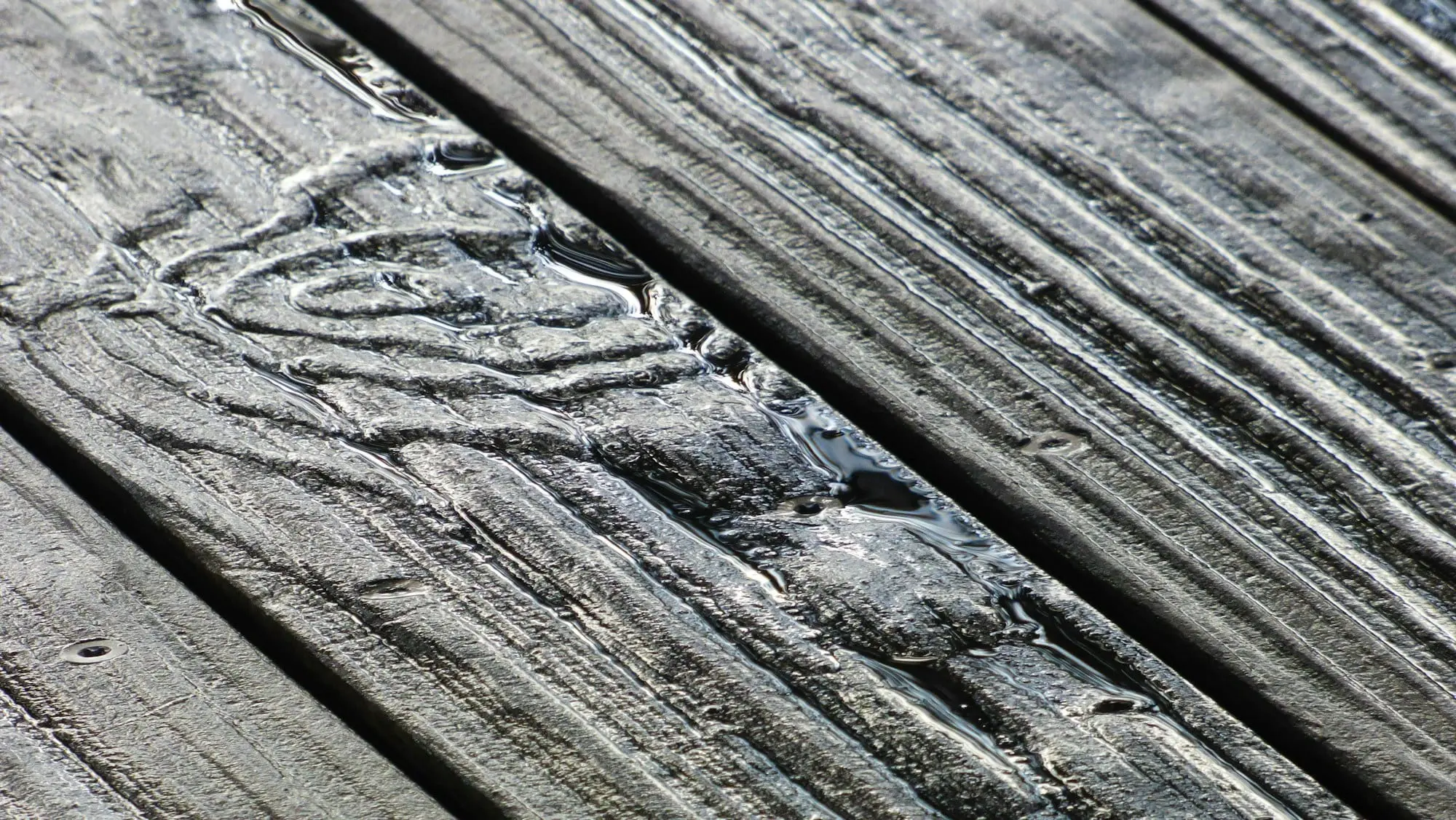
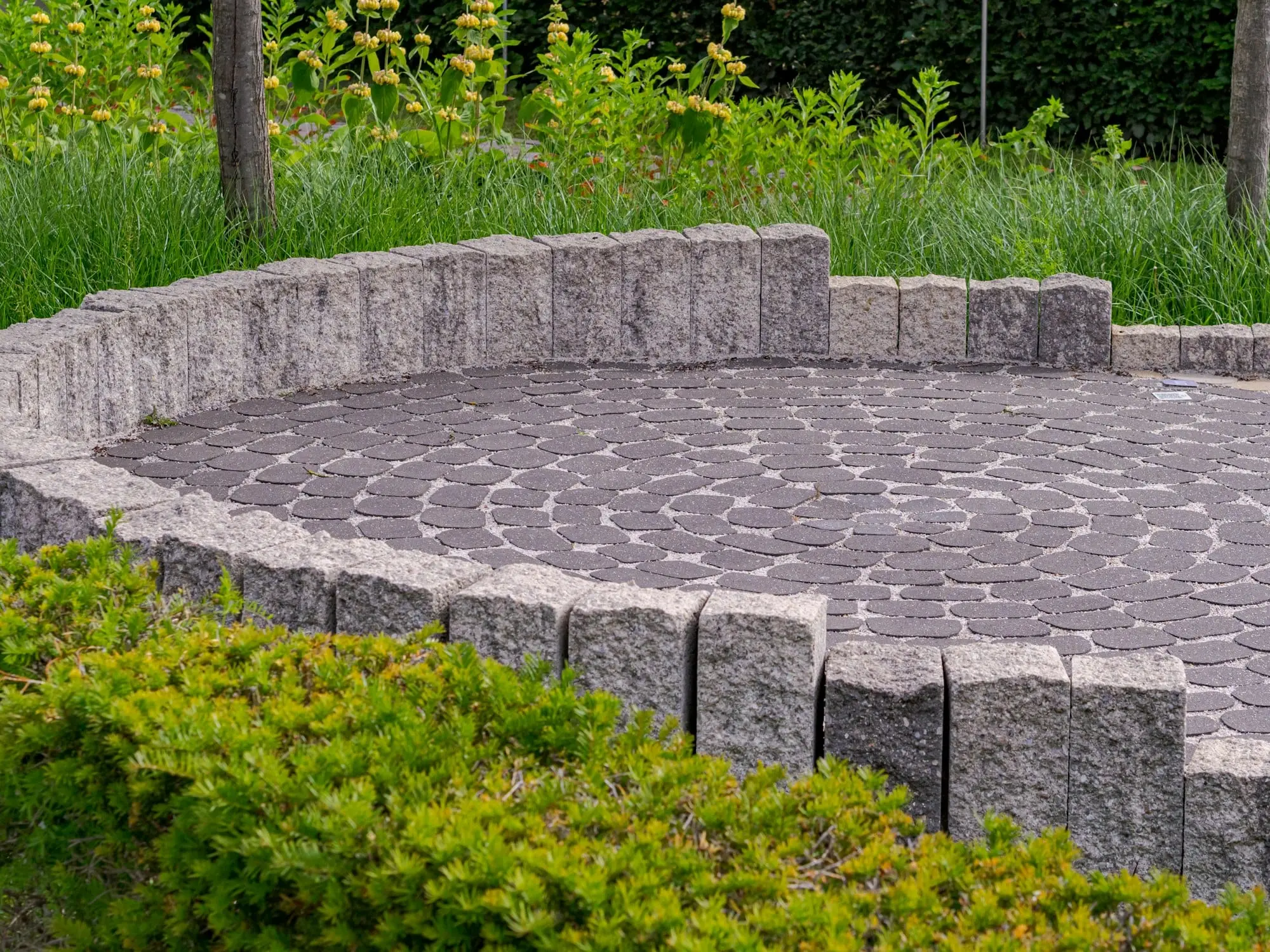
Samples of the board, the stone and the finish, looked at outside, wet and dry. Timber and stone both change colour within a season, and the sample you choose in a showroom is rarely the colour you end up living with.
Groundworks and structure
The longest phase, and the least visible.
Excavation, base, drainage and frame. This is the part nobody photographs and the part that decides whether the terrace is still flat in ten years. Falls are set here, not adjusted at the surface.
Surface and finishes
Lighting commissioned after dark, with you there.
Boards, paving, railings, shade structure, fire and lighting. The finishes go on in an order that keeps them clean, which is why the lighting is last and the surface is never the first thing you see finished.
Handover in the evening
Care schedule written down, not explained once and forgotten.
The last visit is deliberately late in the day. Lighting on, fire lit, furniture in place. Along with the maintenance schedule: what to do in spring, what to do in autumn, and what to leave alone.
What happens to the materials
Timber silvers. Stone darkens where water sits and lightens where it does not. Powder coating chalks slightly on a south elevation. None of this is a fault, and all of it is predictable, so it is worth choosing with your eyes open rather than being surprised in the second year.
If you want a deck to stay the colour it was on the day it was laid, that is a maintenance commitment measured in weekends. If you would rather it weathered, some species do it far more evenly than others. We will tell you which before you choose.
The first visit is the useful one.
Everything after it is easier if somebody has stood in the space at the right time of day.