How the work runs.
Most of the difference between a good electrical job and a bad one happens before anyone picks up a tool, and after they put it down.
Stages of a job
The request
A description of the symptom, or the project. For anything involving the panel, a photograph of it with the cover on tells us the make, the age and roughly what capacity is there. That is often enough to bring the right parts the first time.
The quote
Fixed price where the work is knowable, and an hourly rate with a written cap where it genuinely is not, which is most fault finding. You are told which of the two you are getting and why before anything is booked.
The work
Drop cloths down and shoes off. Circuits you still need stay live wherever that is possible, and you are told in advance about anything that will interrupt the supply. If something behind the wall changes the price, the work stops until you have agreed it.
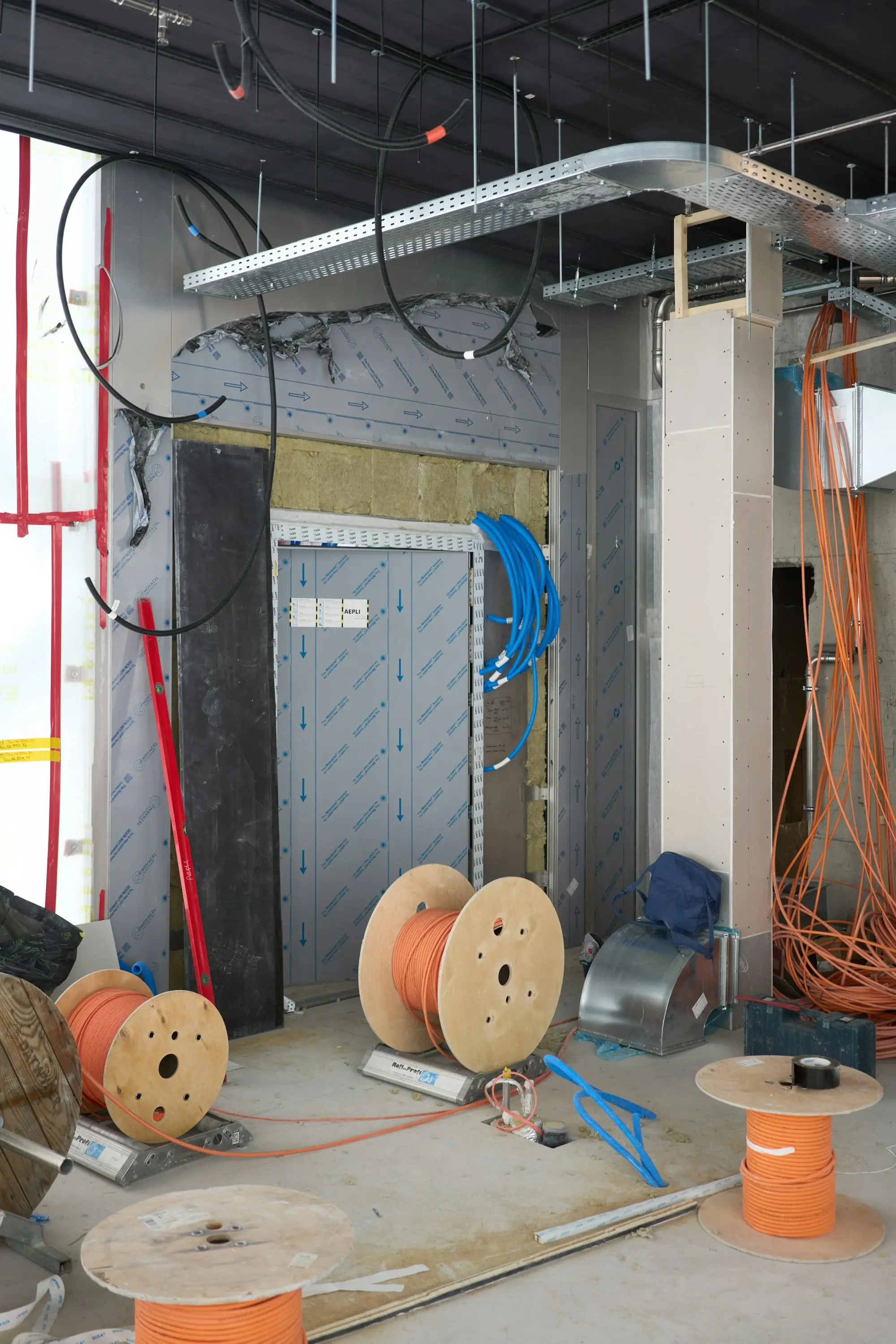
The handover
Every circuit labelled at the panel, the area left clean, and a written record of what was installed, what was tested and anything worth keeping an eye on. Permits and inspections are closed out rather than left for you to chase.


Three things that do not change
Load calculations, not guesses
Before a panel size, a service upgrade or an EV charger is recommended, the existing load is calculated. Sometimes the answer is that you do not need the upgrade.
Permits pulled where they are required
Panel changes, service upgrades and most new circuits need one. Skipping it is cheaper on the day and expensive when the house is sold.
The cheapest honest answer
If a problem is a ten dollar part, it is a ten dollar part. If a repair will not last and a replacement will, you get told both prices rather than only the one that is easier to sell.
Start with the symptom.
You do not need to know what is wrong or what it is called. That is the part we are for.